
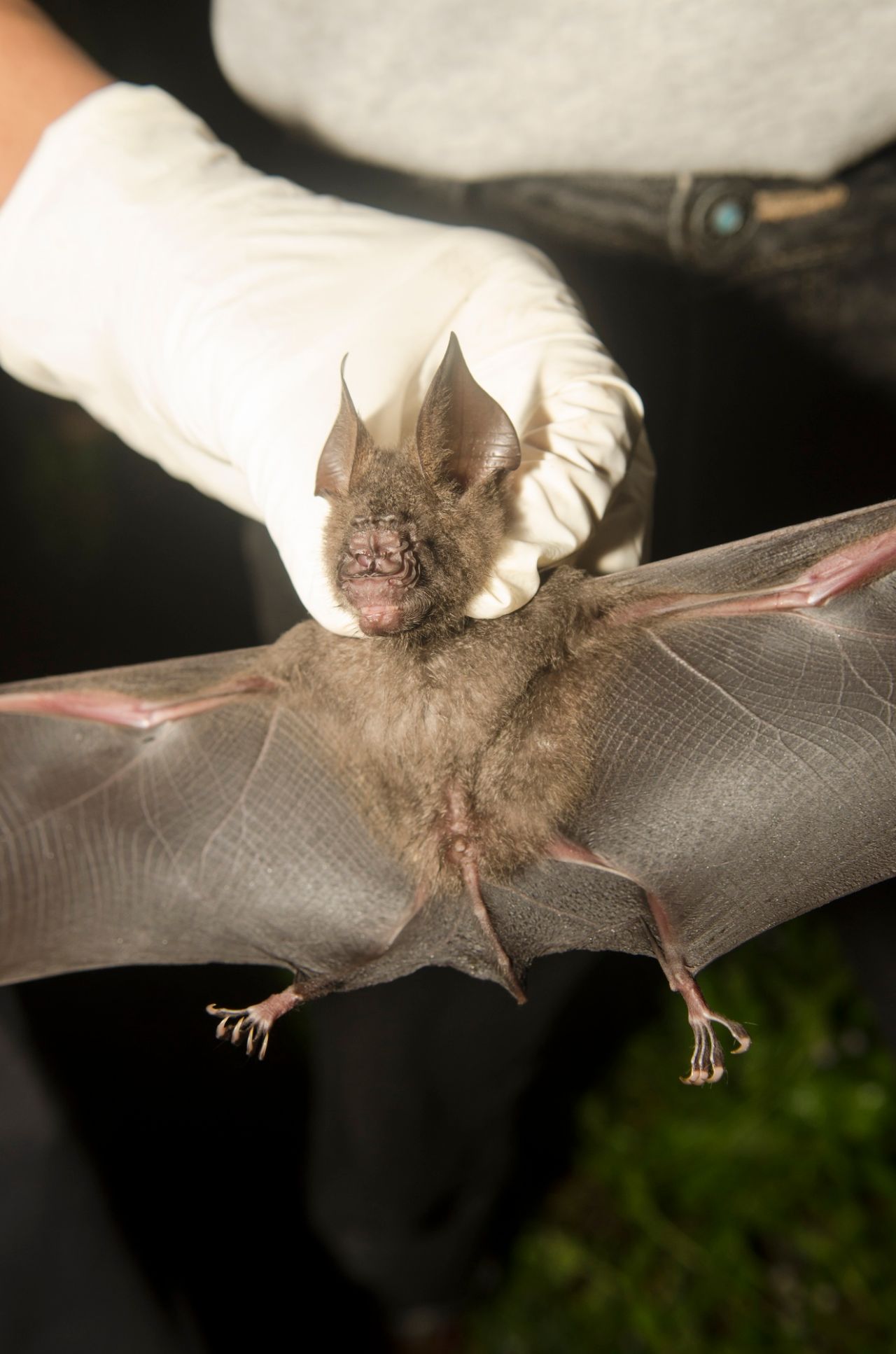
Are you tired of uninvited winged guests disrupting your peaceful evenings? Bats, though essential to our ecosystem, can be a nuisance when they decide to make our neighborhoods their home. Fear not, for we have compiled the ultimate guide to banishing bats and reclaiming your serene surroundings. Our top strategies for keeping bats out of your neighborhood will help you tackle this challenge head-on, ensuring that both you and the bats can coexist harmoniously in separate spaces. With our Virginia wildlife expert advice in hand, you’ll be well-equipped to navigate the complexities of bat-proofing your area while preserving these fascinating creatures’ vital role in nature. So, roll up your sleeves and get ready to embark on a bat-free journey that promises to restore tranquility to your beloved neighborhood!
Why bats are attracted to residential areas
Bats, like all creatures, are drawn to areas where they can find food, water, and shelter. Residential neighborhoods often provide an abundance of these resources, making them an attractive option for bats seeking a place to roost. Insects are the primary food source for most bat species, and our homes and gardens create an ideal environment for various insects to thrive. Streetlights and outdoor lighting also attract insects, which in turn draw in bats looking for a meal.
Water sources such as ponds, pools, and birdbaths can also entice bats to settle in a residential area. These sources not only provide drinking water but also support the insect populations that bats feed on. In addition, the trees, eaves, and attics found in our neighborhoods offer bats plenty of options for roosting sites, particularly if they can find a warm, dark, and undisturbed location.
It’s important to remember that although bats can be a nuisance, they also play a crucial role in the ecosystem by controlling insect populations, pollinating plants, and dispersing seeds. As a result, we should aim to deter bats from our homes and neighborhoods while still respecting their ecological importance.
Health and safety concerns associated with bats
While bats may be beneficial to the environment, they can also pose health and safety risks for humans. One of the primary concerns surrounding bats is the potential transmission of diseases, particularly rabies. Although the incidence of rabies in bats is relatively low, it is still essential to exercise caution around them and avoid direct contact. Bats can also carry other diseases, such as histoplasmosis, a fungal infection that can cause respiratory issues in humans when inhaled.
In addition to disease transmission, bats can cause property damage when they take up residence in our homes. Their droppings, known as guano, can accumulate in attics and other roosting areas, causing unpleasant odors and potentially damaging the structure. Guano also harbors fungal spores that can cause histoplasmosis, posing an additional health risk. Moreover, the noise and disturbance created by bats living in close proximity to humans can be disruptive and unsettling.
Given these health and safety concerns, it’s important to implement strategies to keep bats out of our neighborhoods while still respecting their role in the ecosystem. Developing an understanding of bat behavior and habitat preferences is a crucial first step in this process.
Understanding bat behavior and habitat preferences
To effectively deter bats from residing in your neighborhood, it’s important to understand their behavior and the types of environments they prefer. Most bats are nocturnal, meaning they are active at night and roost during the day. They are also highly sensitive to temperature and require warm, stable conditions for roosting. This is why attics, eaves, and other sheltered areas of our homes often appeal to them.
Bats typically have a strong preference for specific roosting sites and will return to these locations year after year. This fidelity to their chosen roost can make it challenging to deter them from your neighborhood. However, understanding their preferred habitats can help you identify potential roosting sites on your property and take steps to make these areas less attractive to bats.
In addition to their roosting sites, bats are also drawn to areas with abundant food sources. As insectivores, they rely on a plentiful supply of insects to sustain themselves. Consequently, reducing the insect population in your neighborhood can be an effective way to make the area less appealing to bats.
Top strategies for bat-proofing your home
Preventing bats from roosting in your home is an essential step in keeping them out of your neighborhood. The following strategies can help you bat-proof your property and minimize the chances of unwelcome winged visitors taking up residence.
Seal entry points: Inspect your home for any cracks, gaps, or openings that bats could use to gain access. Pay particular attention to areas around eaves, vents, and chimneys. Seal these openings with caulk, weatherstripping, or hardware cloth to prevent bats from entering.
Install bat-proof vent covers: Bats can easily squeeze through small gaps in vents, so installing covers designed to exclude bats is an effective way to deter them from your home. These covers allow air to flow while preventing bats from gaining access.
Maintain your property: Regular home maintenance can help prevent bats from finding suitable roosting sites. Keep trees and shrubs trimmed away from your home to reduce potential access points, and repair any damage to your roof, eaves, or siding that could create openings for bats.
Install bat houses: Providing alternative roosting sites can encourage bats to leave your home and roost elsewhere. Bat houses are designed to be attractive to bats, offering the warmth and shelter they require. Installing bat houses away from your home can help draw bats away from your property and discourage them from roosting in your house.
Community-wide bat prevention measures
Working together as a community can greatly increase the effectiveness of bat prevention efforts. By collaborating with your neighbors, you can implement measures to make your entire neighborhood less attractive to bats. Some community-wide strategies include:
Managing insect populations: Reducing the abundance of insects in your neighborhood can help deter bats from the area. Encourage your neighbors to eliminate standing water, which can serve as breeding grounds for insects, and consider using environmentally friendly insecticides to control insect populations.
Limiting outdoor lighting: Excessive outdoor lighting can attract insects and, in turn, bats. Encourage your neighbors to minimize the use of outdoor lights, particularly during peak bat activity hours (dusk and dawn). Installing motion-activated lights can also help reduce the overall amount of light in the neighborhood.
Coordinating home maintenance efforts: Encourage your neighbors to maintain their properties and implement bat-proofing measures, such as sealing entry points and installing bat-proof vent covers. This will reduce the available roosting sites for bats in your neighborhood and make it less attractive to them.
Natural bat repellents and deterrents
There are several natural repellents and deterrents that can help keep bats away from your property without causing harm to them. Some of these include:
Essential oils: Bats are sensitive to strong odors, and certain essential oils, such as peppermint, eucalyptus, and lavender, can act as natural bat repellents. Create a mixture of water and a few drops of essential oil, and spray it in areas where bats may roost. Reapply the mixture regularly to maintain its effectiveness.
Mothballs: Mothballs release a strong-smelling gas called naphthalene, which can be unpleasant for bats. Placing mothballs in attics, eaves, and other potential roosting sites can help deter bats from these areas. However, it’s important to use mothballs with caution, as they can be toxic to humans and pets if ingested.
Ultrasonic devices: Some homeowners have found success using ultrasonic devices to deter bats. These devices emit high-frequency sounds that are unpleasant for bats, driving them away from the area. However, the effectiveness of these devices can be variable, and some experts question their efficacy.
When to consult a professional bat removal service
In some cases, it may be necessary to consult a professional bat removal service in Charlottesville (or similar locales) to address a bat infestation in your home or neighborhood. If you suspect that bats have taken up residence in your home, it’s important to act quickly to prevent potential health and safety risks. A professional bat removal service can safely and humanely remove bats from your property, clean up any guano or other waste left behind, and implement bat-proofing measures to prevent future infestations.
It’s essential to choose a reputable, licensed bat removal service that adheres to humane removal practices and follows local regulations regarding bat removal. Keep in mind that some bat species are protected by law, so it’s crucial to work with a professional who understands the legal requirements and can ensure that any removal efforts are conducted in compliance with these regulations.
Educating your neighbors about bat prevention
Raising awareness about bat prevention and the benefits of a bat-free neighborhood can encourage your neighbors to take action and implement bat-proofing measures on their properties. Share information about the health and safety risks associated with bats, as well as the importance of respecting their ecological role. Provide resources and tips for bat-proofing homes, managing insect populations, and using natural bat repellents. Consider organizing community meetings or workshops to discuss bat prevention strategies and collaborate on neighborhood-wide efforts.
Conclusion: Achieving a bat-free neighborhood
By understanding bat behavior and habitat preferences, implementing effective bat-proofing measures, and working together as a community, you can achieve a bat-free neighborhood that benefits both humans and bats. By respecting the role bats play in our ecosystem and taking steps to deter them from our homes and neighborhoods, we can coexist harmoniously with these fascinating creatures while maintaining the peace and tranquility of our living spaces. So, roll up your sleeves, share your newfound knowledge with your neighbors, and embark on a journey towards a bat-free neighborhood that benefits everyone!