
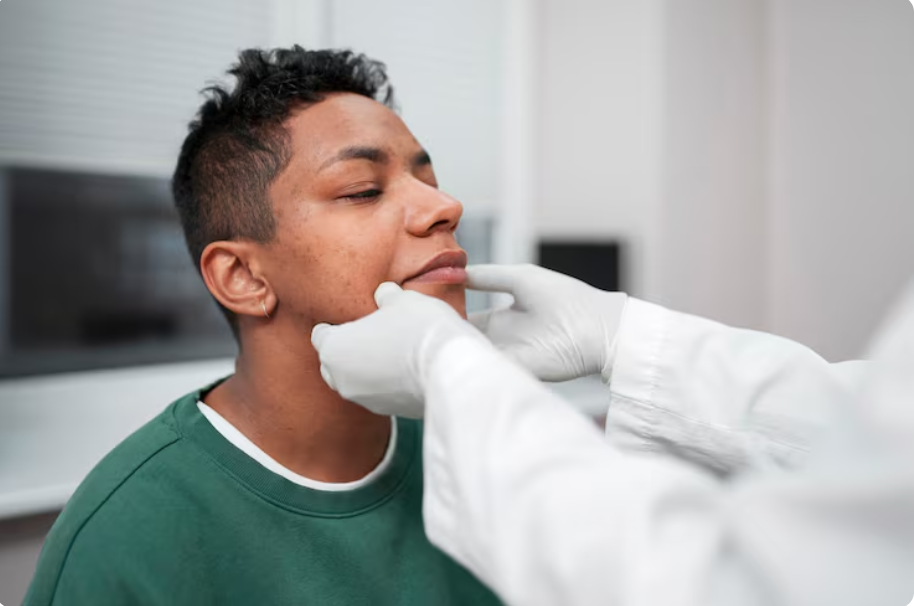
A maxillofacial surgeon is a highly trained medical specialist who diagnoses and treats conditions affecting the face, mouth, jaw, and neck. These professionals perform complex surgical procedures ranging from wisdom tooth extraction and dental implants to corrective jaw surgery and facial trauma reconstruction. Choosing the best maxillofacial surgeon is an important decision, as it can significantly impact both health outcomes and quality of life.
The term “best” maxillofacial surgeon does not refer to a single individual but rather to a set of qualities and qualifications that define excellence in this specialized field. Patients should focus on experience, training, reputation, surgical skill, and patient care when selecting a surgeon.
One of the most important factors to consider is education and certification. A qualified maxillofacial surgeon typically completes dental school followed by several years of specialized surgical training in oral and maxillofacial surgery. Many also pursue additional fellowships in areas such as craniofacial surgery, cosmetic facial surgery, or reconstructive procedures. Board certification is a strong indicator that the surgeon has met rigorous professional standards and continues to stay updated with the latest advancements in the field.
Experience is another key factor in determining the quality of a maxillofacial surgeon. Surgeons who have performed a high number of procedures are generally more skilled in handling both routine and complex cases. Experience also helps them manage complications effectively if they arise during or after surgery. Patients should look for surgeons who specialize in the specific procedure they need, whether it is jaw alignment surgery, dental implants, or facial reconstruction after trauma.
Reputation plays a significant role as well. The best maxillofacial surgeons are often well-known within the medical community and have positive feedback from patients. Reviews, referrals from dentists or physicians, and testimonials can provide valuable insight into a surgeon’s professionalism and success rate. However, reputation should be considered alongside verified credentials and not based solely on popularity.
Another important aspect is the use of modern technology and techniques. Advanced imaging systems, 3D surgical planning, and minimally invasive procedures have significantly improved outcomes in maxillofacial surgery. Surgeons who invest in modern equipment and continue learning new techniques are often better equipped to deliver precise and effective treatment.
Patient care and communication are also essential qualities. The best maxillofacial surgeons take time to explain procedures clearly, discuss risks and benefits, and answer patient questions. They ensure that patients feel comfortable and informed throughout the treatment process. Good communication builds trust and reduces anxiety, especially for individuals undergoing major surgical procedures.
Safety standards and hospital affiliation should not be overlooked. A top surgeon typically works in accredited hospitals or surgical centers that follow strict safety protocols. Proper anesthesia care, sterile environments, and emergency preparedness are critical components of successful surgical outcomes.
Recovery support is another important factor. Maxillofacial surgery often requires a recovery period that may include swelling, dietary restrictions, and follow-up visits. The best surgeons provide detailed post-operative instructions and closely monitor healing progress to ensure optimal recovery.
In conclusion, the best maxillofacial surgeon is defined not by a single name but by a combination of expertise, experience, technology, and patient-centered care. Patients should carefully evaluate credentials, reviews, and communication style before making a decision. Choosing a skilled and trustworthy surgeon can make a significant difference in both the success of the procedure and long-term health outcomes.