
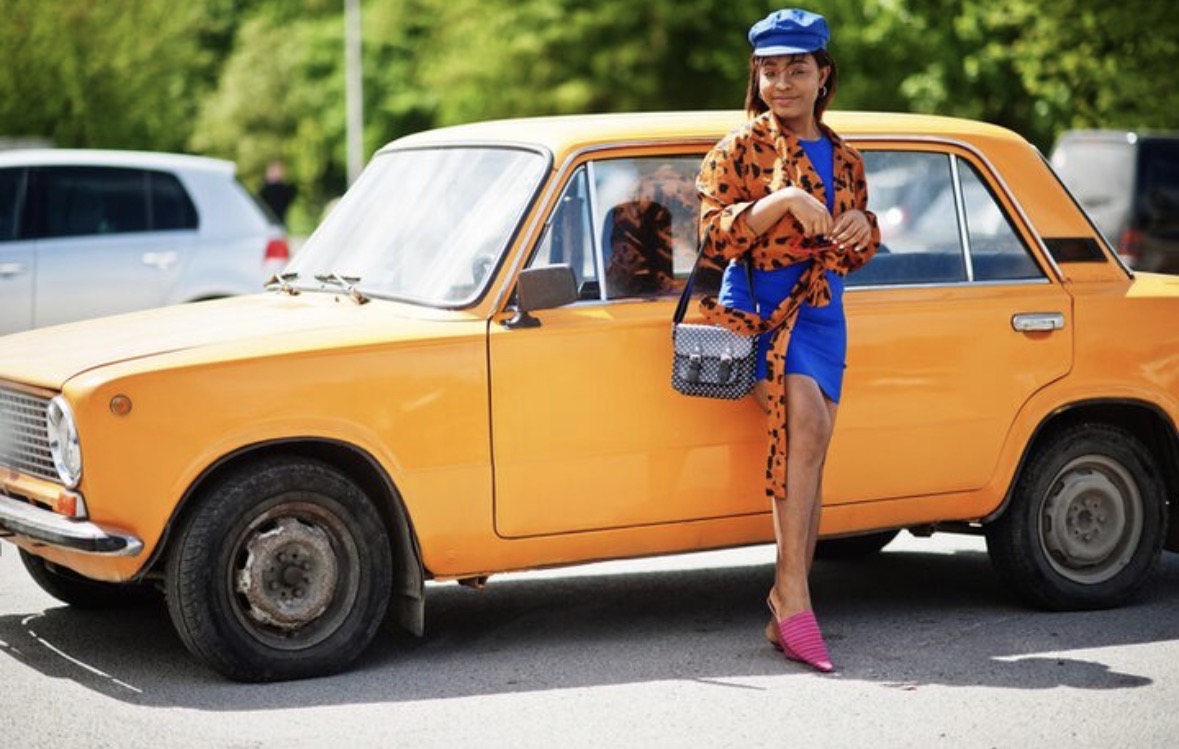
Cars are more than just transportation. They also reflect the design trends, technology, and cultural priorities of the era in which they were built. From the oversized chrome-heavy vehicles of the 1950s to today’s aerodynamic SUVs packed with digital screens, automotive design has constantly evolved alongside society itself.
Looking back at how vehicles changed over the decades reveals not only advancements in engineering, but also shifting attitudes toward safety, fuel economy, comfort, and performance.
The Bold Styling of the 1950s
The 1950s are often remembered as one of the most visually distinctive periods in automotive history. Cars from this era featured dramatic styling elements inspired by aviation and post-war optimism.
Popular design features included:
- Large tail fins
- Extensive chrome trim
- Rounded body shapes
- Wide front grilles
- Bright paint colors
Vehicles were designed to stand out visually rather than prioritize efficiency. Fuel economy was rarely a major concern during this period because gasoline prices remained relatively low.
Large body designs also reflected America’s growing car culture and expanding highway system.
Muscle Cars Changed the 1960s and 1970s
During the 1960s and early 1970s, performance became a major focus for many manufacturers. Muscle cars gained popularity by combining midsize bodies with powerful V8 engines.
These vehicles emphasized:
- Horsepower
- Straight-line speed
- Aggressive styling
- Loud exhaust systems
- Rear-wheel-drive performance
The era produced some of the most iconic American vehicles ever built.
However, rising fuel prices, stricter emissions regulations, and insurance costs eventually reduced demand for high-performance muscle cars by the late 1970s.
The Fuel Economy Shift of the 1980s
The oil crises of the 1970s forced automakers to rethink vehicle size and efficiency. During the 1980s, smaller and lighter cars became increasingly common.
Manufacturers focused more heavily on:
- Fuel economy
- Reliability
- Front-wheel-drive platforms
- Compact designs
- Improved aerodynamics
Japanese automakers gained strong reputations during this period for producing dependable and fuel-efficient vehicles.
The shift also marked the gradual decline of oversized American sedans as consumers prioritized practicality and lower operating costs.
Technology Took Over in the 1990s and 2000s
As electronics became more affordable, vehicles began incorporating increasing amounts of technology.
Cars from the 1990s and early 2000s introduced features such as:
- Power accessories
- Anti-lock brakes
- Navigation systems
- CD players
- Improved airbags
- Electronic fuel injection
Designs also became smoother and more aerodynamic as manufacturers sought better fuel efficiency and reduced wind resistance.
Sport utility vehicles grew rapidly in popularity during this era as families looked for larger and more versatile vehicles.
Modern Vehicles Focus on Safety and Connectivity
Today’s vehicles prioritize safety, digital integration, and efficiency more than ever before.
Modern cars commonly include:
- Touchscreen infotainment systems
- Backup cameras
- Adaptive cruise control
- Lane-keeping assistance
- Blind-spot monitoring
- Smartphone connectivity
- Hybrid or electric drivetrains
Vehicle design has also become more aerodynamic and standardized because of safety testing and fuel economy requirements.
At the same time, increased complexity has made repairs more expensive and maintenance more specialized compared to older vehicles.
Why Older Cars Disappear Over Time
As automotive design evolves, older vehicles gradually disappear from roads due to age, rust, accident damage, and rising repair costs.
Parts availability becomes more limited, fuel efficiency declines compared to modern standards, and repair expenses can eventually exceed a vehicle’s value.
This is why many aging vehicles eventually transition into recycling systems or services offering Cash For Junk Cars once they are no longer practical for daily use.
Even so, certain designs remain memorable long after production ends because they represent specific periods in automotive history.
Design Trends Continue Changing
The automotive industry is now entering another major transition with the rise of electric vehicles. Future car designs may continue shifting toward:
- Minimalist interiors
- Larger digital displays
- Autonomous driving systems
- Improved battery efficiency
- Sustainable materials
As technology changes, the appearance and function of vehicles will likely continue evolving just as dramatically as they have over the past century.
Final Thoughts
Car design trends reflect far more than appearance alone. They reveal how technology, economics, fuel prices, safety concerns, and consumer preferences have changed over time.
From chrome-covered classics to software-driven electric vehicles, every generation of cars tells a story about the era that created it. While older vehicles eventually fade from everyday roads, many continue leaving lasting impressions on automotive culture and history.