
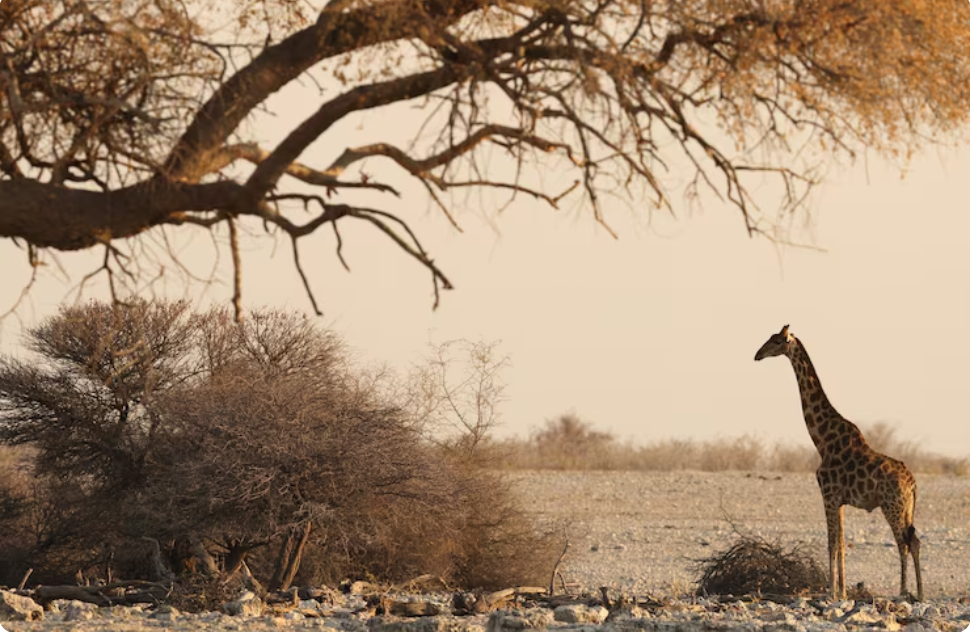
For the discerning global traveller, the pursuit of authentic, untouched wilderness has become the new benchmark for luxury travel in Africa. As travel trends for 2026 pivot towards meaningful cultural immersion and sustainable, remote exploration, few destinations offer such a profound response as Damaraland in Namibia. Located southwest of the renowned Etosha National Park, this immense region offers a stark and compelling tableau of dramatic mountains, ancient heritage, and a thrilling, off-the-beaten-track adventure that few corners of Africa can still lay claim to.
The Last Untamed Frontier
Damaraland is not easily surrendered. Accessing this remote Kunene Region requires commitment, typically necessitating a robust 4×4 or a bespoke fly-in safari, navigating the rough, geological roads that carve through the landscape. Yet, this challenging accessibility is precisely what preserves its magic. What awaits is a truly unfenced frontier, a land managed largely by communal conservancies, allowing wildlife to roam freely across vast, seemingly unending plains and rocky outcrops.It is here that one encounters the planet’s most resilient fauna: the famed desert-adapted elephant, the critically endangered black rhino, and the elusive desert lion. Unlike the predictable sightings in traditional reserves, tracking these magnificent animals in Damaraland is a pursuit of patience, guided by expert local trackers and rangers. To spot a desert-adapted elephant bull, broader-footed and leaner than his savannah cousins, silhouetted against a mountain range in the morning light is not merely a game viewing exercise; it is a profound testament to nature’s ingenuity and a powerful engagement with active, community-led conservation efforts. The area hosts the largest truly free-ranging population of black rhino in the world, making a sighting here a vital contribution to their survival programme.
A Palette of Peaks and Ancient History
Beyond the wildlife, Damaraland is an indispensable archive of geological and human history. Towering over the plains is Brandberg, or “Fire Mountain,” Namibia’s tallest peak. This imposing granite massif, which often glows a brilliant ochre in the setting sun (hence its name) is more than a destination for mountaineers. Its deep ravines safeguard one of the continent’s most significant collections of ancient rock art, including the globally recognised ‘White Lady’ painting. The preservation quality and sheer volume of these images offer an extraordinary window into the ritual practices of hunter-gatherer communities spanning millennia.Further south, the granite domes of Spitzkoppe rise abruptly from the desert floor. Often dubbed the ‘Matterhorn of Africa’ for its dramatic, pyramid-like profile, Spitzkoppe presents a formidable challenge to experienced climbers. However, for those content to remain grounded, the surrounding landscape is a photographer’s dream, featuring striking, unusual rocky formations and natural arches that shift in colour throughout the day.
Twyfelfontein: Africa’s Stone Age Archive
The historical culmination of any visit to the region is Twyfelfontein, Namibia’s first UNESCO World Heritage Site. Across this single valley, over 2,000 distinct engravings and rock paintings are etched into the rock faces. These petroglyphs, some estimated to be up to six millennia old, constitute Africa’s greatest concentration of rock art. A guided walk among these masterpieces offers a tactile, immediate glimpse into the spiritual and daily lives of Stone Age inhabitants, providing an incomparable cultural immersion experience trending highly among 2026 travellers.
Planning Your Bespoke Damaraland Programme
For the optimal experience, the dry winter months, stretching from May to September, are typically recommended for game viewing, as the sparse vegetation compels wildlife towards the ephemeral rivers and remaining water sources.Accommodation in Damaraland is synonymous with low-impact, high-luxury eco-tourism. The lodging options are curated to blend seamlessly into the rugged, prehistoric landscape, offering seclusion and spectacular views without compromising comfort or service. For a quintessential experience, consider properties that are deeply involved in conservation and community upliftment, such as:
- Damaraland Camp (a celebrated community-private sector partnership)
- Mowani Mountain Camp (famous for its architectural integration with the massive granite boulders)
- Palmwag Lodge (a desert oasis, strategically positioned for tracking desert rhino)
- Huab Lodge
- Twyfelfontein Country Lodge
A journey to Damaraland is not a typical holiday; it is a pilgrimage to the past and an investment in the future of Africa’s most resilient wildlife. It is the ultimate expression of sophisticated, meaningful travel.