
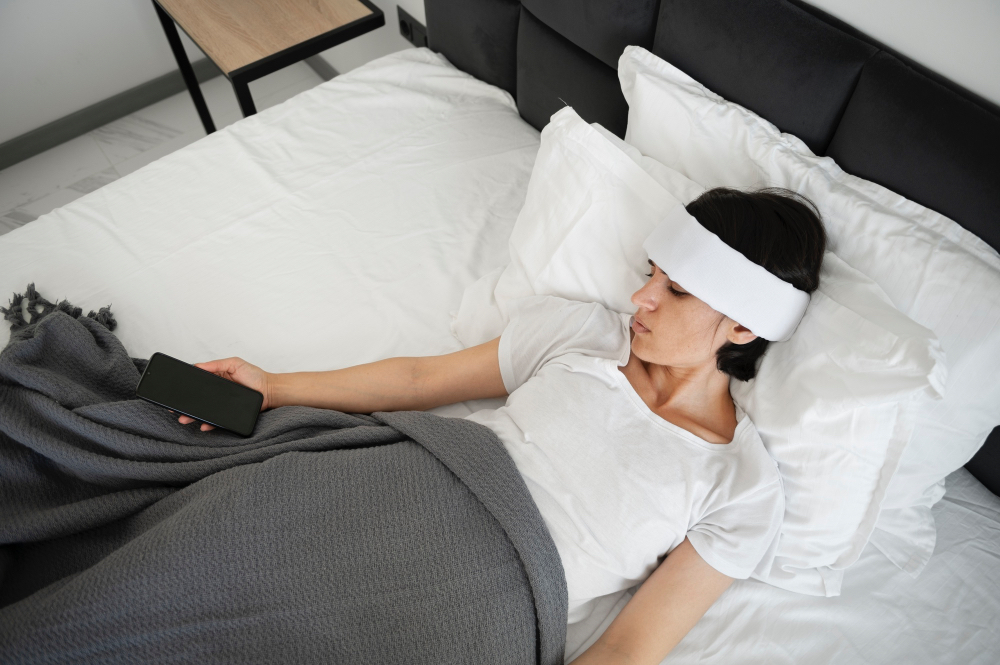
Sleep is often treated as a reset button. You lie down, close your eyes, and wake up restored. After a personal injury, sleep can lose that simplicity. Nights may feel fragmented, unpredictable, or unrefreshing, even when exhaustion is present. Rest becomes something hoped for rather than expected.
This shift is something people sometimes describe when speaking with a Personal Injury Lawyer while explaining how recovery affected daily life beyond visible symptoms.
Falling Asleep Takes More Effort
After an injury, the body and mind don’t always settle easily.
People may notice:
- Difficulty finding a comfortable position
- Pain or stiffness that appears once still
- Thoughts racing despite fatigue
- Needing longer wind-down routines
Sleep begins with negotiation rather than ease.
Nights Can Feel Interrupted
Even when sleep comes, it may not stay consistent.
This can include:
- Waking frequently due to discomfort
- Shifting positions throughout the night
- Light sleep that breaks easily
- Trouble returning to sleep once awake
Rest feels shallow instead of restorative.
Mornings Don’t Always Bring Relief
After an injury, waking up doesn’t always mean feeling better.
People may experience:
- Stiffness upon waking
- Lingering fatigue despite hours in bed
- Needing time before movement feels safe
- Starting the day already depleted
Sleep no longer guarantees recovery.
Sleep Positions Become Limited
Injury often narrows sleeping options.
This may involve:
- Avoiding certain positions entirely
- Using pillows or supports for stability
- Staying in one position too long
- Feeling constrained by the body’s limits
Comfort becomes conditional.
Emotional Frustration Builds Quietly
When sleep feels unreliable, frustration can accumulate.
People may feel:
- Anxious before bedtime
- Discouraged by repeated poor nights
- Irritable during the day
- Worried about long-term effects
Sleep struggles affect mood as much as energy.
Others May Assume Rest Is Easy
Because sleep happens privately, others may assume it’s unaffected.
As a result:
- Fatigue may be underestimated
- Daytime exhaustion misunderstood
- Recovery pace misjudged
The effort behind rest remains unseen.
Why Sleep Disruption Matters in Injury Cases
When someone consults a Personal Injury Lawyer, changes in sleep patterns help show how an injury affects overall functioning and quality of life.
Sleep disruption reflects:
- Ongoing physical discomfort
- Mental fatigue
- Reduced recovery capacity
- Emotional strain
It highlights the round-the-clock impact of injury.
Adapting Without Perfect Solutions
Over time, many injury victims adjust expectations around sleep.
This may include:
- Prioritizing comfort over position
- Accepting rest even when sleep is light
- Building gentler evening routines
- Letting go of pressure for “perfect” sleep
Adaptation becomes part of coping.
Conclusion
A personal injury can quietly change the relationship with sleep. What was once automatic may become unpredictable, interrupted, or incomplete. These changes often ripple into every part of the day.